Posts

Privacy Issues and Mistakes That Can Make Your Life Far More Difficult and Get You Fired
Image
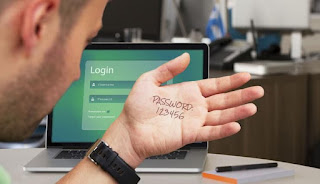
With the recent wave of high-profile data breaches, business hacks, private information dumps, and financial network intrusions, internet security and privacy have gotten quite a bit of press. A lot of the online security basics are pretty well known: Have strong passwords, don’t open email attachments sent by strangers, and chances are there’s not really a foreign princess waiting to enrich and possibly marry you if only you’d share your account information. However, there are more specific privacy and security issues that can instigate misery, embarrassment, financial catastrophe, and even loss of your job. For instance, do you know your employer’s BYOD policy? Do you know how to remove personal information from Google ? Do you know if your anti-virus/anti-malware software is up to date? The following list outlines some common internet security threats and mistakes and how those threats can be diminished or resolved with a bit of research and a little proactive ris...

Why You Should Care About Your Online Reputation and How to Protect It

Image
The internet is a massive marketplace of products, services, and ideas. Unfortunately, the sheer mass of all three on the internet means that inevitably, some of them are going to be regrettable. The problem for consumers is distinguishing between the products, services, and ideas that are useful and trustworthy, and those that aren’t. The problem for businesses is assuring those customers that their product or service is trustworthy, dependable, and high-quality when there are so many out there that aren’t. A surprisingly high percentage of businesses respond to that problem with misconceptions. Those include disregarding the issue as meaningless, as random opinions on the internet are to be taken with a grain of salt; deciding that the internet is so vast, there’s nothing to be done about it; and the belief that responding is useless because who can tell a quality organization’s legitimate responses from a disreputable one’s dishonest excuses? The fact is, online r...

Why Do I Need a Disposable Email Address?

Image
The internet is an often a frustrating double-edged sword. The more convenience and opportunity that becomes available, the greater the risk of your personal information being exposed and exploited. For every branded coupon, loyalty card, product, newsletter, or website registration that requires your email address, there’s a new addition to the aggregating digital footprint your email address leaves online. The wider that footprint gets, the easier it gets for parties you don’t want anything to do with following your tracks. The good news is that the choice doesn’t have to be between “avoid anything that requires you providing your email address,” or, “accept all risk associated with malicious, criminal, or simply annoying misuse of your email address.” There’s a third option: a disposable email address. So, is it worth it to use an anonymous, disposable email address? Avoiding Spam Any online security expert who knows their business will tell you that the more e...

The Sneaky Ways Data Brokers Gather Information About You

Image
It’s no surprise that purchases are tracked, which can legitimately provide relevant product or service suggestions based on your past purchases. But it’s not just helping the company you bought a product or service from online. Many websites, including retail outlets and others, will also sell your info to other advertisers, retailers, and data collection or retention entities. That can seem harmless enough—except that most people would probably prefer their history with websites not be shared when those sites involve an illness they suffer from, an addiction, adult purchases, personal debts, or anything else with a stigma attached to it. Even brick-and-mortar businesses participate in this information marketplace. They will often ask for your email address when you complete a purchase. This is exactly the kind of information that data brokers will pay for. Third-Party Tracking As uncomfortable as the thought of a website sharing your preferences, quirks, and b...

The Extremely Personal Information Data Brokers May Know About You

Image
Even without the recent revelations about Facebook sharing user data, it would be hard for anyone who has spent time online to be unaware that information about us is being shared with entities that are using that info to make money. Just one creepily-specific targeted ad is generally enough to clue us in. What probably would come as a surprise is how incredibly personal the information about you being bought and sold is. If you don’t like the idea of your (most) private details being tracked, stored, quantified, and leveraged like some impersonal commodity with every use of a search engine, you’re not alone. And fortunately, finding out how to remove personal information from Google can be easier than you’d think. How Data Brokers Get Your Information Data brokering is a multi-billion-dollar industry—and the people involved want the public to know as little about as possible. They glean information in countless ways, employing algorithms that track, collect, coll...

What Exactly Do Data Brokers Know About You?

Image
Data brokers collect and store personal information on nearly every U.S. consumer. The Federal Trade Commission (FTC) estimates that a single data broker company has information on 1.4 billion consumer transactions, totaling over 700 billion data points and 3,000 data segments for nearly every American consumer. But what information are data brokers collecting? You’ve likely heard of companies collecting personal information such as name, address, age, and e-mail. You may also have heard about data brokers collecting information on voting registration, purchasing history, criminal records, or vehicle registration. However, data brokers can go much further than this. They also collect information on “life-event triggers,” including marriage, divorce, births, deaths, and even buying a home. They also collect salary information, paystub data, and charitable donations. This information is then sold to companies and marketing agencies to help them target their...

How to Delete Your Personal Information from the Internet—for Free

Image
We’ve all heard the horror stories of what can happen when the wrong people get their hands on your personal information: false credit card charges, fraudulent bank withdrawals, and stolen identities. If you’re concerned about your personal information, it’s not enough to simply block pop-up ads or delete browser cookies. You may want to consider ways to remove personal information from Google altogether. There are many professional services available to help manage your online presence. However, if you’re cost-conscious, there are also several free options you can try to eliminate your online information. Option 1: Delete Online Accounts The websites that make our lives easier¾think Netflix, Spotify, Amazon, Facebook, etc.¾also store a lot of our personal information, including full name, email, date of birth, address, etc. Deleting these accounts, especially the ones you don’t use anymore, is an easy step toward removing your online profile. Netflix, Spoti...